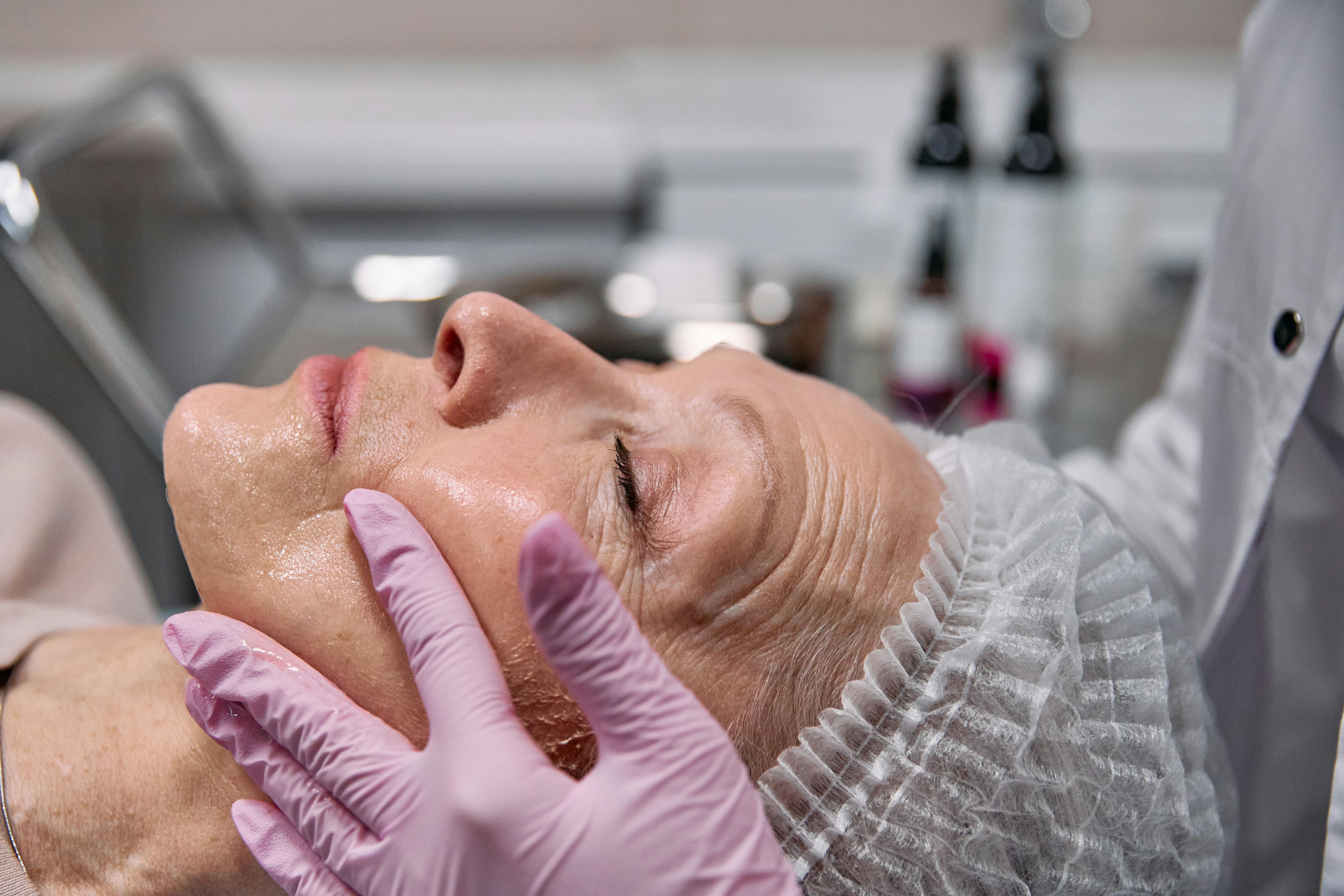
Facial Rejuvenation Is an Investment—Not an Expense
Facial rejuvenation is often framed as a luxury or an optional aesthetic choice, but for many individuals, it functions more accurately as a long-term investment. This investment is not only financial—it also involves time, self-perception, and overall well-being. As conversations around aesthetics become more open and informed, more people are starting to view facial rejuvenation as a proactive approach to maintaining confidence, rather than a reactive measure taken after significant aging has already occurred.
At its core, facial rejuvenation refers to a range of treatments designed to restore balance, improve skin quality, and soften the visible effects of aging. These treatments can include non-invasive options such as neuromodulators (like Botox), dermal fillers, skin tightening technologies, and regenerative procedures. What makes these treatments particularly relevant today is not just their effectiveness, but how they align with a broader shift toward preventative care and self-investment.
Facial Rejuvenation as a Long-Term Investment
When people think about investments, they often think about assets that grow in value over time. While facial rejuvenation does not generate financial returns in a traditional sense, it can have a measurable impact on areas of life that indirectly influence opportunities and quality of life. Confidence, for example, plays a significant role in both personal and professional interactions. Studies in psychology and workplace behavior consistently show that individuals who feel confident in their appearance tend to communicate more effectively, engage more actively, and present themselves with greater assurance.
Investing in facial rejuvenation early—before deep lines, volume loss, and skin laxity become more pronounced—can also reduce the need for more invasive or costly procedures later on. Preventative treatments, such as small doses of neuromodulators or subtle filler placement, can slow the progression of visible aging. This approach is often referred to as “prejuvenation,” and it reflects a mindset shift: instead of correcting advanced concerns, the focus is on maintaining a natural and balanced appearance over time.
Clinics like Climax Aesthetic Surgery emphasize this philosophy by combining medical expertise with individualized treatment planning. Rather than promoting a one-size-fits-all solution, the goal is to create a strategy that evolves with the patient’s needs, ensuring that results remain natural and aligned with their features.
The Role of Expertise in Protecting Your Investment
Like any investment, the outcome of facial rejuvenation depends heavily on where and how resources are allocated. Choosing a qualified and experienced provider is one of the most critical factors in achieving safe and effective results. Poorly performed treatments can lead to complications, unnatural outcomes, or the need for corrective procedures—all of which can increase costs and undermine trust.
Professionals such as Pamela Ikem play a key role in delivering consistent and high-quality outcomes. Expertise in facial anatomy, product selection, and injection techniques ensures that treatments enhance natural features rather than distort them. This level of precision is what differentiates a thoughtful investment from a risky expense.
A well-trained provider also considers long-term planning. Instead of over-treating in a single session, they often recommend gradual improvements that build over time. This approach not only preserves facial harmony but also allows patients to adapt to changes in a way that feels comfortable and authentic.
Common Questions About Facial Rejuvenation
Despite growing awareness, many people still have questions before committing to treatment. These questions are not only valid—they are essential for making informed decisions.
One of the most common questions is whether treatments will look natural. This concern is often driven by fear of appearing “overdone” or losing one’s identity. In reality, modern facial rejuvenation techniques prioritize subtlety. When performed correctly, treatments should enhance existing features rather than create noticeable alterations. The goal is often described as looking “rested” or “refreshed,” rather than different.
Another frequent question relates to safety. People want to know whether injectables or energy-based devices are safe for long-term use. Most FDA-approved treatments have been extensively studied and are considered safe when administered by qualified professionals. However, safety is closely tied to provider expertise, proper patient selection, and adherence to recommended guidelines.
Cost is also a major consideration. Facial rejuvenation can represent a significant financial commitment, especially when treatments are repeated over time. This is where the concept of investment becomes particularly relevant. Rather than viewing cost as a one-time expense, it can be helpful to consider the long-term benefits, including maintenance of skin quality and reduced need for more invasive procedures.
Another common question is how long results last. The answer varies depending on the treatment. Neuromodulators typically last three to four months, while dermal fillers can last anywhere from six months to two years, depending on the product and area treated. Skin tightening and regenerative treatments may have more gradual but longer-lasting effects.
Barriers That Prevent People from Moving Forward
Even with access to information, many individuals hesitate to pursue facial rejuvenation. These barriers are often psychological as much as they are practical.
One of the most significant barriers is fear—fear of pain, fear of complications, and fear of dissatisfaction with results. While these concerns are understandable, they are often amplified by misinformation or isolated negative experiences shared online. A thorough consultation with a qualified provider can address these fears by setting realistic expectations and explaining the process in detail.
Another barrier is the normalization of aging. Many people believe that visible signs of aging should simply be accepted, and that seeking treatment is unnecessary or superficial. While embracing natural aging is a valid perspective, it should not exclude the option of maintaining one’s appearance in a way that aligns with personal preferences. Facial rejuvenation is not about denying age; it is about managing how its effects present over time.
Social perception also plays a role. Some individuals worry about being judged for undergoing aesthetic treatments. However, as these procedures become more common, the stigma is gradually decreasing. In many professional and social environments, maintaining a polished and refreshed appearance is increasingly viewed as a form of self-care rather than vanity.
Time commitment can be another obstacle. Busy schedules make it difficult for some people to prioritize appointments and follow-ups. Fortunately, many treatments are designed to fit into a fast-paced lifestyle, with minimal downtime and quick recovery periods.
Finally, there is the barrier of uncertainty. Not knowing where to start, which treatment to choose, or who to trust can lead to inaction. This is why consultation processes are so important. A good provider will guide patients through options, answer questions, and create a clear plan that aligns with their goals.
The Psychological and Social Impact
The benefits of facial rejuvenation extend beyond physical appearance. For many individuals, improvements in skin quality and facial balance translate into increased self-confidence. This can influence how they interact with others, approach opportunities, and perceive themselves in daily life.
Confidence is not a superficial outcome—it has tangible effects on communication, decision-making, and overall mental health. When people feel comfortable in their own skin, they are more likely to engage fully in both personal and professional settings.
There is also a social dimension to consider. In a world where first impressions are often formed quickly, appearance can influence how individuals are perceived. While this should not be the sole basis for judgment, it is a reality in many environments. Facial rejuvenation can help align external appearance with internal vitality, ensuring that individuals are represented in a way that reflects how they feel.
Preventative vs. Corrective Approaches
Understanding the difference between preventative and corrective treatments is essential when viewing facial rejuvenation as an investment. Preventative treatments are typically less intensive and focus on maintaining current conditions. Corrective treatments, on the other hand, address more advanced signs of aging and may require more significant intervention.
Starting early with preventative care can lead to more consistent and natural results. It allows for gradual adjustments rather than dramatic changes, which can be more difficult to manage both physically and emotionally.
Corrective treatments are still highly effective, but they often require a more strategic approach. Combining multiple modalities—such as fillers, skin tightening, and regenerative therapies—can produce comprehensive results, but also requires careful planning and expertise.
Building a Personalized Strategy
There is no universal approach to facial rejuvenation. Each individual has unique facial anatomy, aging patterns, and aesthetic goals. A personalized strategy takes all of these factors into account, creating a plan that evolves over time.
This strategy may include a combination of treatments spaced out over months or years. It also involves regular assessments to adjust the plan as needed. By approaching facial rejuvenation in this way, individuals can maximize results while maintaining a natural appearance.
Working with experienced professionals ensures that each step is intentional and aligned with long-term goals. It also provides a level of continuity that is essential for achieving consistent outcomes.
Final Thoughts
Facial rejuvenation, when approached thoughtfully, is more than a cosmetic decision. It is an investment in confidence, self-perception, and long-term well-being. Like any investment, it requires research, planning, and the right guidance.
Understanding common questions and addressing barriers is a crucial part of the process. By doing so, individuals can move forward with clarity and confidence, making decisions that align with their values and goals.
In today’s landscape, where aesthetics and wellness increasingly intersect, facial rejuvenation represents an opportunity to take control of how aging is experienced and perceived. It is not about changing who you are—it is about preserving and enhancing the features that define you, in a way that feels authentic and sustainable over time.


