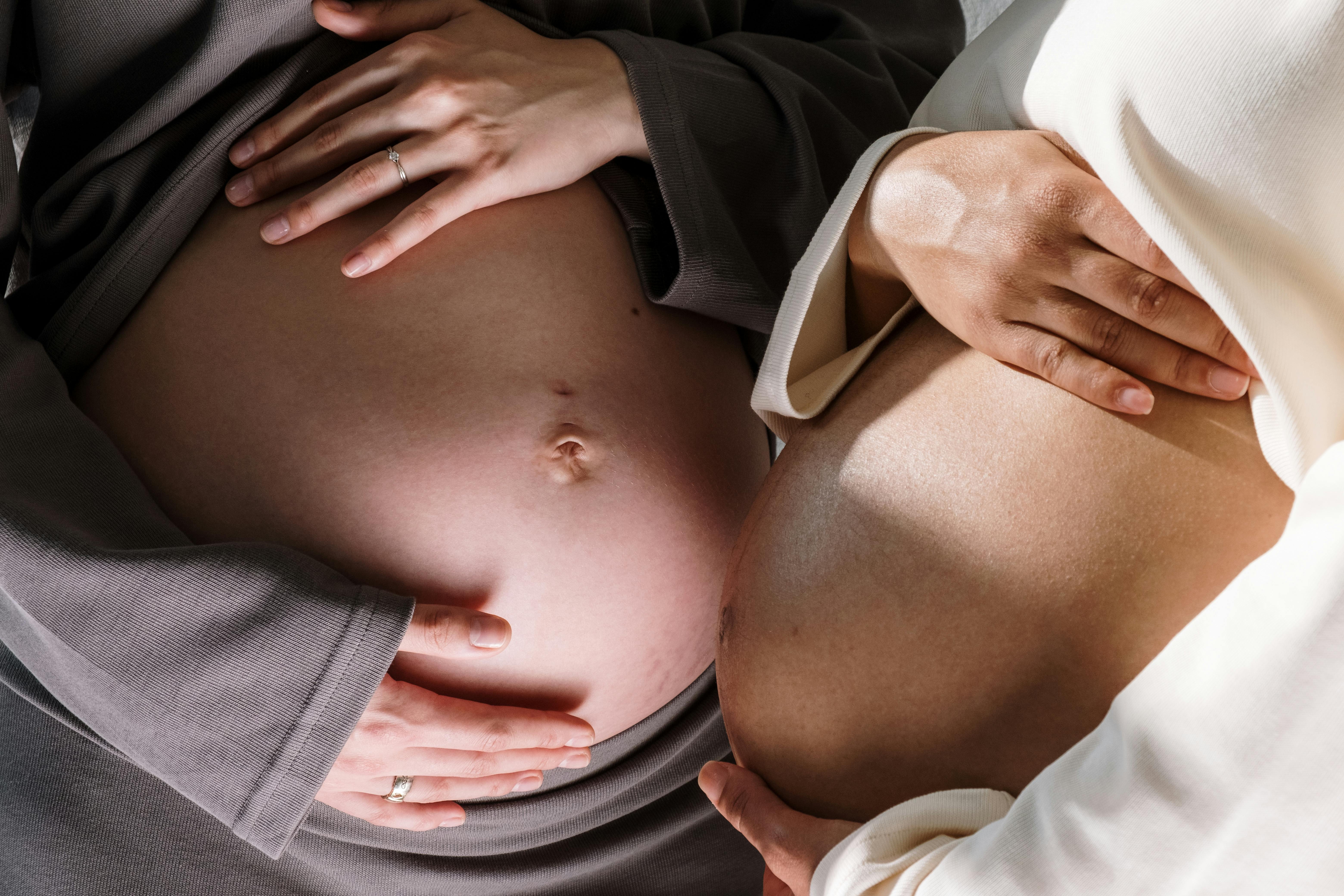
Motherhood and Sexual Wellness: What Changes After Having Children?
Motherhood is one of the most significant experiences a woman can go through. Pregnancy, childbirth, and postpartum recovery bring major physical, hormonal, and emotional changes. While many conversations around motherhood focus on pregnancy, delivery, and caring for a newborn, one important topic is often left out: sexual wellness.
Many women notice that intimacy feels different after having children. Some experience physical changes. Others notice shifts in libido, energy levels, vaginal comfort, or confidence. In many cases, these changes are completely normal. However, what many women do not realize is that “common” does not always mean something must simply be accepted without exploring solutions.
At Climax Aesthetic Surgery, women often come to us with questions they have been holding onto for months—or sometimes years. They want to understand why their body feels different. They want to know why intimacy does not feel the same. They want answers about hormone changes, vaginal health, confidence, and what options are available.
Under the leadership of Dr. Mary Ojo-Carons, Climax Aesthetic Surgery focuses on helping women better understand their bodies and explore personalized solutions that support confidence, comfort, and long-term sexual wellness.
Why Sexual Wellness Changes After Motherhood
Sexual wellness is influenced by multiple systems in the body. Hormones, blood circulation, muscle strength, tissue elasticity, mental health, sleep quality, stress levels, and relationship dynamics all play a role.
Pregnancy and childbirth can affect nearly all of these areas.
During pregnancy, the body goes through significant hormonal changes to support the baby’s development. After delivery, hormone levels shift again. Sleep schedules change. Stress often increases. Physical recovery becomes a priority. Many women are also balancing work, family responsibilities, breastfeeding, and recovery at the same time.
When all of these factors combine, changes in sexual desire, comfort, or confidence are not unusual.
Some of the most common concerns women report after childbirth include:
Vaginal dryness
Changes in vaginal sensation
Discomfort during intercourse
Difficulty reaching orgasm
Reduced pelvic strength
Lower body confidence
Feeling mentally disconnected from intimacy
These concerns can affect women differently depending on age, delivery type, hormone levels, recovery process, and overall health.
Hormonal Changes and Their Impact on Libido
One of the most common reasons women notice changes in intimacy after childbirth is hormonal fluctuation.
Hormones influence far more than fertility. They also play a major role in:
Sexual desire
Mood regulation
Sleep quality
Mental clarity
Vaginal lubrication
Skin elasticity
Muscle recovery
After childbirth, estrogen levels often drop significantly. Progesterone and testosterone may also fluctuate.
When these hormone levels change, women may notice symptoms such as:
Reduced interest in sex
Vaginal dryness
Fatigue
Mood swings
Lower physical energy
Difficulty feeling mentally present during intimacy
For women who are breastfeeding, these hormonal shifts may last longer. Breastfeeding naturally suppresses certain hormone levels, which may contribute to dryness, lower libido, and vaginal sensitivity changes.
Some women naturally recover hormonal balance over time. Others continue experiencing symptoms long after postpartum recovery.
This is why hormonal evaluation can sometimes be an important part of understanding sexual wellness concerns.
At Climax Aesthetic Surgery, hormone health is viewed as part of the bigger picture—not as an isolated issue.
Physical Changes After Vaginal Delivery
Childbirth can place significant stress on the pelvic floor muscles, vaginal tissues, and surrounding anatomy.
The degree of change varies from woman to woman. Factors that may influence recovery include:
Genetics
Baby size
Length of labor
Delivery complications
Tissue elasticity
Number of pregnancies
Age during pregnancy
Some women recover quickly and notice minimal long-term changes. Others experience physical changes that affect comfort or intimacy.
Common physical concerns may include:
Changes in Vaginal Tightness
Some women notice that vaginal sensation feels different after childbirth. This may happen because the pelvic floor muscles and vaginal tissues have stretched during delivery.
This can sometimes affect:
Friction during intercourse
Sensation for both partners
Confidence during intimacy
Pelvic Floor Weakness
Pregnancy alone places pressure on the pelvic floor muscles. Delivery may increase that strain.
Signs of pelvic floor weakness may include:
Mild urinary leakage during exercise, sneezing, or laughing
Difficulty maintaining muscle control
A feeling of heaviness in the pelvic area
Reduced sexual sensation
Pelvic floor health is an important but often overlooked part of sexual wellness.
Scar Tissue or Tissue Sensitivity
Women who experienced tearing, episiotomy, or other delivery-related trauma may develop scar tissue that affects comfort during intimacy.
Some women report:
Tightness
Tenderness
Sensitivity
Discomfort during penetration
These symptoms should not be ignored simply because they happened after childbirth.
C-Section Mothers Can Experience Changes Too
There is a common misconception that women who deliver via C-section avoid postpartum sexual changes.
This is not always true.
Even without vaginal delivery, pregnancy itself places pressure on the pelvic floor and affects hormone levels, circulation, tissue health, and muscle recovery.
Women who deliver by C-section may still experience:
Hormonal changes
Reduced libido
Vaginal dryness
Pelvic weakness
Emotional fatigue
Confidence changes
This is why postpartum sexual wellness is not only about delivery type. It is about the overall changes the body goes through during motherhood.
Confidence and Body Image After Pregnancy
Sexual wellness is not only physical. Confidence plays a major role.
After pregnancy, many women experience visible body changes, including:
Stretch marks
Loose abdominal skin
Breast volume changes
Weight fluctuations
Skin texture changes
Scar healing
Changes in intimate anatomy
Even when a woman is physically healed, confidence may still be affected.
Some women report:
Feeling less attractive
Avoiding mirrors
Feeling uncomfortable being undressed
Avoiding initiating intimacy
Feeling disconnected from their pre-pregnancy body
These feelings are more common than many people realize.
At Climax Aesthetic Surgery, we often remind patients that sexual wellness involves both function and confidence.
Both matter.
Mental Stress and Its Effect on Intimacy
Motherhood can be rewarding, but it can also be mentally exhausting.
Many mothers are balancing:
Childcare responsibilities
Career obligations
Household management
Sleep deprivation
Emotional stress
Relationship expectations
When the body is in a constant state of stress, cortisol levels may rise.
High cortisol can affect:
Libido
Hormone balance
Energy levels
Sleep quality
Emotional connection
Sometimes a woman’s reduced interest in intimacy has less to do with physical anatomy and more to do with mental fatigue.
That is why sexual wellness should always be approached holistically.
Why Many Women Wait Too Long
One of the most common patterns Dr. Mary Ojo-Carons sees is that women often wait far too long before asking for help.
Many tell themselves:
“This is just part of motherhood.”
“I thought it would get better on its own.”
“I didn’t know there were options.”
“I felt embarrassed bringing it up.”
“I thought I was overreacting.”
The reality is that these concerns are extremely common.
But common does not mean they should be ignored.
When sexual wellness begins affecting confidence, comfort, relationships, or quality of life, it may be time to speak with a provider who understands women’s sexual health.
Treatment Options Available
At Climax Aesthetic Surgery, treatment is never based on a one-size-fits-all approach.
Every woman’s anatomy, symptoms, goals, and recovery journey are different.
After a consultation, treatment options may include:
Hormone Therapy
For women experiencing symptoms related to hormone imbalance, hormone optimization may be considered.
This may support:
Libido
Energy
Mood
Mental clarity
Vaginal health
Sleep quality
Hormone support can be especially helpful for women who are postpartum, perimenopausal, or experiencing long-term hormonal symptoms.
Non-Surgical Vaginal Rejuvenation
Treatments such as TempSure Vitalia may support vaginal tissue health using radiofrequency technology.
Potential benefits may include:
Improved tissue tone
Better circulation
Increased natural lubrication
Enhanced sensitivity
Improved comfort during intimacy
Many women appreciate non-surgical treatments because they typically involve minimal downtime.
PRP-Based Regenerative Treatments
Platelet-rich plasma treatments may help support tissue health and circulation.
These treatments may support:
Sensitivity
Blood flow
Tissue regeneration
Sexual response
For some women, regenerative treatments can become part of a larger sexual wellness plan.
Surgical Options
For women experiencing more significant anatomical changes after childbirth, surgical options may also be discussed.
Depending on the patient’s goals, this may include procedures focused on:
Vaginal support
Labial comfort
Functional improvement
Cosmetic concerns
Confidence restoration
Surgical treatment is always personalized and based on the patient’s anatomy, symptoms, and goals.
Why Experience Matters
Sexual wellness requires trust.
Women need a provider who understands both the physical and emotional aspects of intimate health.
That is why many patients choose Dr. Mary Ojo-Carons.
With extensive experience in cosmetic gynecology, sexual medicine, hormone therapy, and women’s wellness, Dr. Mary takes a patient-centered approach designed to help women feel informed, respected, and comfortable throughout their journey.
Her goal is not simply to treat symptoms.
Her goal is to understand what has changed, what the patient is experiencing, and what personalized approach may help them feel more comfortable and confident.
When Should You Schedule a Consultation?
If you have noticed changes after motherhood that are affecting your confidence, intimacy, or physical comfort, it may be time to speak with a specialist.
Signs that it may be time to seek support include:
Ongoing vaginal dryness
Reduced sexual desire
Changes in sensation
Difficulty reaching orgasm
Pain during intercourse
Pelvic weakness
Urinary leakage
Persistent hormone-related symptoms
Reduced confidence during intimacy
These concerns are more common than many women realize, and there may be solutions available.
Final Thoughts
Motherhood changes the body in many ways, but changes in sexual wellness do not have to be ignored or accepted without answers.
Whether the concern is hormonal, physical, emotional, or confidence-related, understanding what is happening in your body is often the first step toward improvement.
At Climax Aesthetic Surgery, women receive personalized care designed around their goals, their anatomy, and their lifestyle.
Under the leadership of Dr. Mary Ojo-Carons, our mission is simple: to help women feel informed, supported, and confident in every stage of life—including motherhood.
Because becoming a mother changes many things—but it should never mean losing confidence in your own body.


